Right-brain exercises help seniors strengthen creativity, adaptability, and much more. Engaging in activities that stimulate imagination and visual thinking, such as journaling or doing crafts, can improve problem-solving skills and everyday enjoyment.
As people grow older, maintaining mental agility becomes just as vital as physical wellness. Right-brain stimulation encourages curiosity and new ways of thinking, all of which contribute to confidence and quality of life.
The sooner you learn what works for you, the sooner you can keep your mind sharp in Chippewa Falls, WI.
What Are Right-Brain Exercises and Why Do They Matter for Seniors?
Right-brain exercises focus on creativity, intuition, visual processing, and emotional awareness rather than logic or memorization. Activities such as the following activate areas of the brain responsible for imagination and expression:
- Drawing
- Music appreciation
- Storytelling
- Hands-on crafts
Regular engagement with these activities supports mental flexibility in aging by helping the brain adapt to new ideas and perspectives.
Cognitive stimulation through creative enrichment also has a major role in emotional wellness. Seniors often experience increased satisfaction when given opportunities to express themselves freely without pressure or evaluation. Creative activities offer a sense of purpose while reducing stress and encouraging relaxation.
In community settings, right-brain exercises can also nurture meaningful social connections. Shared creative experiences naturally encourage conversation, laughter, and collaboration, strengthening emotional bonds among peers.
Which Activities Best Stimulate the Right Brain in Older Adults?
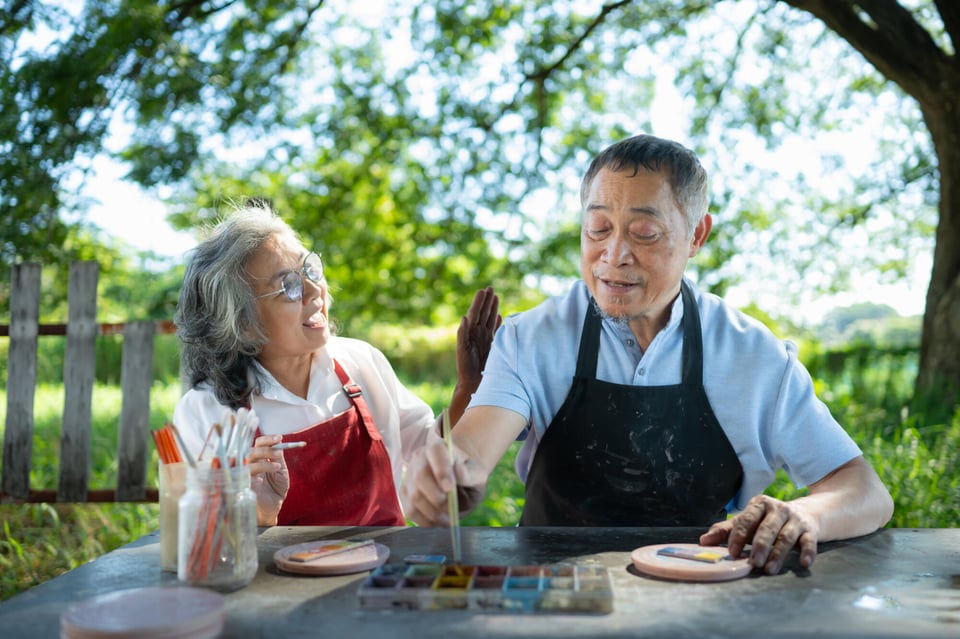
Art-based activities remain among the most effective ways to support brain health through art. The following can encourage visual thinking and fine motor coordination while allowing personal interpretation:
- Painting
- Sculpting
- Collage-making
- Coloring
No artistic experience is required, making these activities accessible and enjoyable.
Music also has a powerful role in right-brain engagement. Listening to familiar songs, exploring new genres, or participating in rhythm-based activities activates memory and emotional centers of the brain. Musical experiences often spark storytelling and reminiscence, further enriching cognitive engagement.
Other beneficial exercises include creative writing, guided imagery, photography, and dance. Don't forget about puzzles that rely on patterns rather than numbers or words. Many senior engagement ideas combine creativity with gentle movement or group participation, enhancing both mental and social wellness.
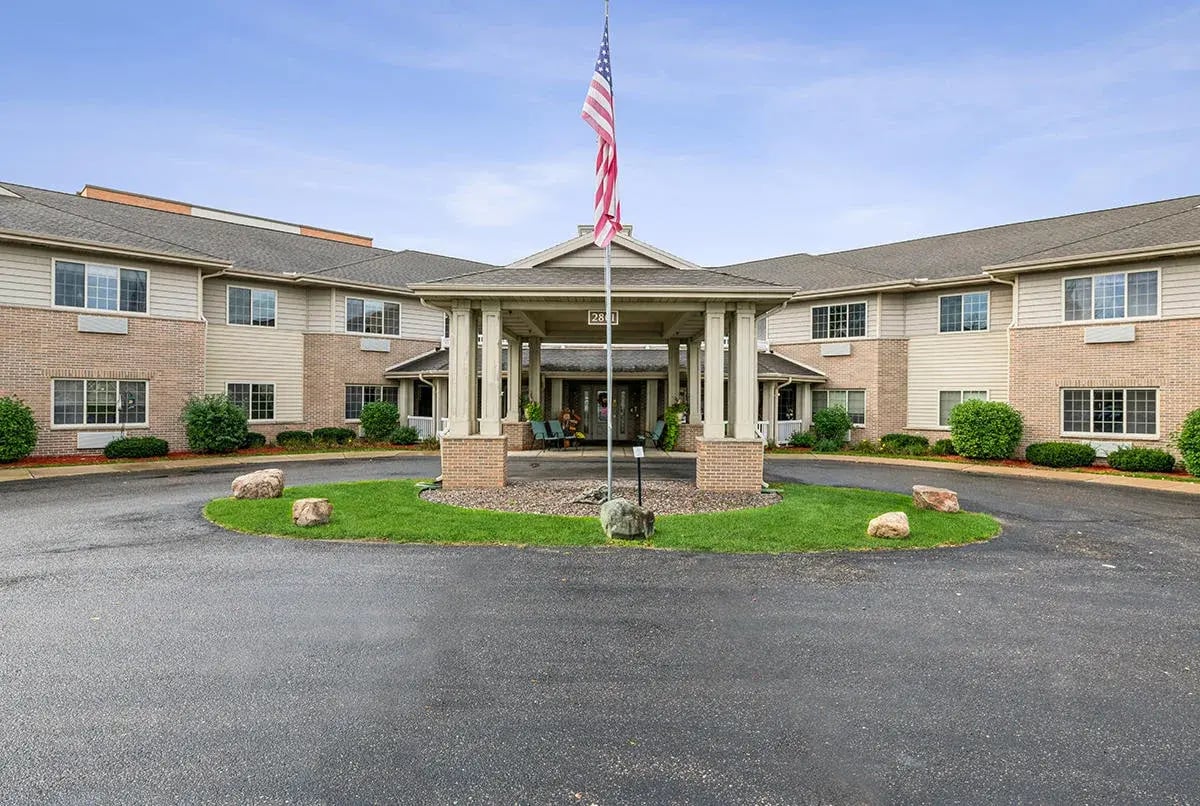
Communities such as LakeHouse Chippewa Falls often emphasize whole-brain wellness by encouraging varied activities. Each one can balance creativity, movement, and social connection without focusing solely on cognitive training.
How Often Should Seniors Practice Right-Brain Exercises?
Consistency matters more than intensity when it comes to creative brain stimulation. Engaging in right-brain exercises several times per week can help maintain cognitive flexibility and emotional balance over time. Even short sessions of around half an hour can be effective when practiced on a regular basis.
Variety also has a staple role. Rotating activities prevents routine thinking and challenges the brain to form new connections. Trying unfamiliar creative outlets may feel uncomfortable at first, but novelty encourages growth and adaptability.
Personal interest should guide participation whenever possible. Enjoyable activities are more likely to turn into long-lasting habits. Doing this supports both motivation and long-term mental health.
The Ways in Which Right-Brain Exercises Support Social Connection While Aging
Right-brain exercises can do wonders for encouraging interaction, shared experiences, and emotional expression. All of the above can strengthen social bonds among seniors.
Creative activities such as collaborative art projects, group storytelling, or music appreciation create opportunities for conversation without too much pressure. Participation often feels more relaxed than traditional discussion-based interactions. Doing this allows personalities to emerge in an organic way.
Social engagement through creativity also supports confidence and belonging. Seniors may feel more comfortable expressing thoughts and emotions through visual or musical outlets rather than words alone.
Over time, these shared experiences foster trust and familiarity, helping communities feel more connected. Social creativity reinforces emotional well-being while supporting mental flexibility in aging through meaningful interpersonal connections.
Frequently Asked Questions
Are Right-Brain Exercises Beneficial for Seniors With Limited Mobility?
Many right-brain exercises are well-suited for seated or low-movement participation. Drawing, music listening, guided visualization, and creative writing require minimal physical effort. Adaptability makes creative engagement more accessible.
How Do Creative Activities Support Emotional Well-Being?
Creative expression doubles as a dependable outlet for emotions that might be hard to express otherwise. Art and music can reduce stress, elevate mood, and nurture a deeper sense of accomplishment. Emotional expression supports confidence and overall mental balance.
Is Group Participation Better Than Solo Creative Activities?
Both group and individual activities offer benefits. Group participation encourages social connection and shared enjoyment, while solo activities allow quiet reflection and focus. A combination of both supports emotional and cognitive wellness.
Do Seniors Need Prior Experience to Benefit From Creative Exercises?
Prior experience is not necessary to gain benefits from creative activities. Exploration and enjoyment matter more than skill level. Creative exercises focus on the process instead of the final result.
How Can Creative Activities Fit Into a Daily Routine?
You can add creative exercises to existing routines with ease. Examples include the following:
- Morning journaling
- Afternoon music sessions
- Evening art projects
Short, consistent sessions are easier to maintain. Flexibility allows creativity to feel enjoyable rather than scheduled.
Can Right-Brain Exercises Reduce Stress in Older Adults?
Creative activities activate relaxation responses in the brain. Art and music can lower stress levels by shifting focus away from worries. Reduced stress supports better sleep, mood, and overall mental health.
What Role Does Creativity Play in Healthy Aging?
Creativity encourages adaptability, curiosity, and emotional expression. Engaging the right brain helps seniors stay mentally flexible and open to new experiences. Lifelong creativity leads to confidence and personal fulfillment.
The Best Right-Brain Exercises Can Keep You Sharp in Your Later Years
Right-brain exercises give seniors an enjoyable and meaningful way to support creativity and emotional wellness. Through consistent engagement in artistic and imaginative activities, older adults can strengthen cognitive flexibility in a way that enriches their day-to-day lives.
LakeHouse Chippewa Falls is where seniors can thrive in every aspect, from their mental stimulation to their physical wellness. The social calendar features wonderful events each week, including yoga, bingo, local outings, and more.
If you're ready to savor resort-style amenities in your golden years, then be sure to schedule a tour of LakeHouse Chippewa Falls today.