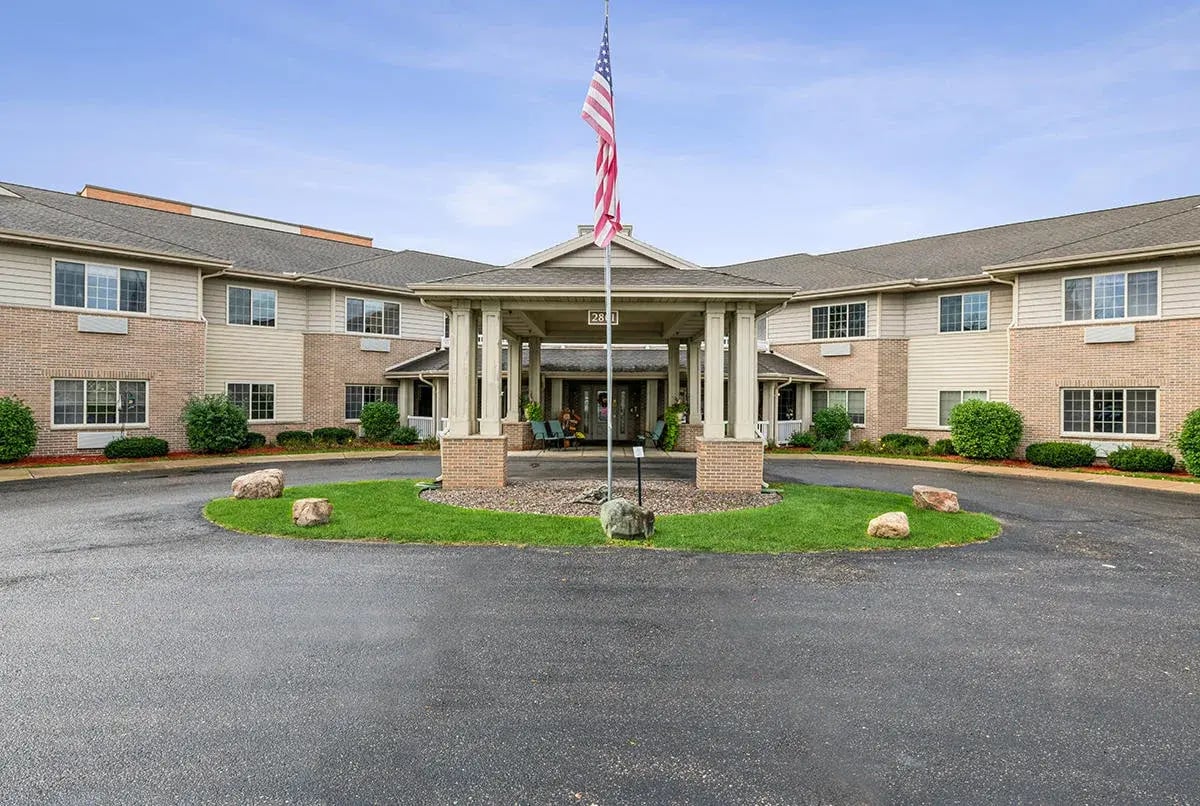
Seniors in Chippewa Falls enjoy quiet neighborhoods, strong community ties, and easy access to local parks, which makes the area a calming environment for older adults.
These same qualities also help families who want supportive care for a loved one showing early memory changes. As the need for assisted living in Chippewa Falls grows, many families look for guidance on what to watch for and how structured support helps.
The Alzheimer's Association estimates that over 7 million Americans live with Alzheimer's, with millions more affected by impaired memory. This is not something your loved one is going through alone.
Assisted living offers daily stability, social connection, and personalized help. Memory care communities provide even more structure for seniors with cognitive shifts. Both can boost confidence, safety, and well-being as memory loss in aging becomes more noticeable.
What Are Early Signs Of Memory Changes?
Families often notice small shifts first, and knowing these early signs helps you act sooner. Most seniors start with mild changes that may seem harmless at first. These patterns become clearer over time and often benefit from added daily support.
Here are early signs to watch for:
-
Misplaced items often
-
Repeating questions
-
Confusion with dates
-
Difficulty planning
-
Forgetting recent conversations
When you see these patterns, supportive care becomes beneficial. These signs connect strongly to memory loss in aging, especially when they appear consistently.
How Does Daily Structure Help Seniors With Cognitive Changes?
Many Wisconsin families look for steady routines that keep life predictable for their loved ones. Daily structure reduces stress and supports clearer thinking, especially when early dementia signs begin to show. A predictable schedule anchors seniors who feel overwhelmed by forgetfulness or shifting attention.
Structured days in assisted living can include regular meals, guided activities, and gentle reminders. This routine strengthens cognitive wellness and helps seniors conserve mental energy. Predictability also prevents frustration, which may rise when memory challenges increase.
Why Do Social Activities Support Memory Health?
Chippewa Falls offers a friendly atmosphere where local events and small gatherings help seniors feel connected. Assisted living communities use that same spirit to create social routines. Regular interaction keeps the mind active and encourages emotional balance. This becomes especially important when seniors show mild cognitive shifts.
Social time helps with cognitive wellness because meaningful conversation reinforces memory recall. It also supports emotional stability, reduces loneliness, and gives seniors a sense of belonging.
What Daily Routines Improve Focus And Confidence?
Seniors with early memory changes often benefit from simple, consistent daily habits. Daily routine support helps seniors stay grounded and reduces the confusion that sometimes follows early dementia signs.
Strong routines may include morning check-ins, light movement, and engaging activities. A steady rhythm helps seniors feel more in control. These routines also support daily routines by giving each day a familiar pattern.
How Do Communities Use Senior Memory Tools?
Staff in supportive communities understand how environmental cues help seniors stay engaged. Memory tools guide seniors through the day and help them build confidence when they face forgetfulness. These tools include labeled shelves, color-coded areas, and visual reminders.
Senior memory tools also support cognitive wellness because they reduce the effort needed to stay oriented. Communities often use whiteboards, calendars, and familiar household layouts to reinforce comfortable navigation.
How Does Assisted Living in Chippewa Falls Support Memory Changes?
A community in Chippewa Falls offers structure, warm interaction, and personalized guidance. These elements help seniors maintain independence while receiving help with early cognitive challenges. Staff help with bathing, dressing, meals, and medication reminders while encouraging participation in activities that support memory.
This support helps families manage memory loss in aging and early dementia signs without feeling alone. You also receive reassurance that your loved one stays supported through each part of the day.
When Should Families Consider Additional Support?
Families often decide to seek structured care when the loved one seems more confused, overwhelmed, or withdrawn. Behavioral shifts that interrupt daily life often indicate the need for guided support and monitored routines.Increased forgetfulness, missed meals, and repeated confusion usually signal that help becomes necessary.
It is also important to notice emotional cues. When frustration, anxiety, or fear grow more frequent, a senior may benefit from a more stable environment. Communities help your loved one find calm through activity schedules, supportive reminders, and predictable days.
Frequently Asked Questions
How Can Families Tell The Difference Between Normal Forgetfulness And Early Dementia?
Normal forgetfulness happens occasionally and does not disrupt daily life. Early dementia signs include repeated confusion, difficulty following steps, and forgetting recent conversations. Seniors may also seem more overwhelmed or frustrated by tasks that once felt simple.
What Helps Seniors Build Better Daily Routines At Home?
Simple strategies can help. Families can use visual schedules, keep important items in consistent locations, and reduce clutter. Keeping meals, wake times, and bedtime consistent helps seniors stay oriented throughout the day.
Do Cognitive Engagement Activities Really Make A Difference?
Yes. Puzzles, music, reading, and guided conversation stimulate different parts of the brain. These activities support brain health and may slow the progression of early memory challenges.
How Does Social Interaction Improve Cognitive Wellness?
Regular social interaction encourages conversation, memory recall, and emotional expression. Talking with others reduces isolation and supports the parts of the brain responsible for attention and processing.
Find Structure and Peace with Assisted Living in Chippewa Falls
Seniors in Wisconsin benefit from structured days, warm social interaction, and clear memory support, especially when early cognitive changes begin to appear. A strong routine brings calm, and community life helps seniors stay active, confident, and engaged. When you explore assisted living in Chippewa Falls, you find all of these supports in one welcoming setting.
LakeHouse Chippewa Falls offers pet-friendly apartments, cozy one- and two-bedroom layouts, chef-prepared meals, weekly housekeeping, and daily activities that keep your loved one moving and thinking with purpose.
Seniors enjoy art workshops, exercise classes, movie nights, card games, and outings to local Chippewa Falls events. The community also features relaxing outdoor spaces, a wellness center, and a hair salon, helping each day feel comfortable and predictable.
Schedule a free tour today to see how LakeHouse Chippewa Falls can support your loved one with personalized care, daily structure, and a warm sense of home.